Select category of project
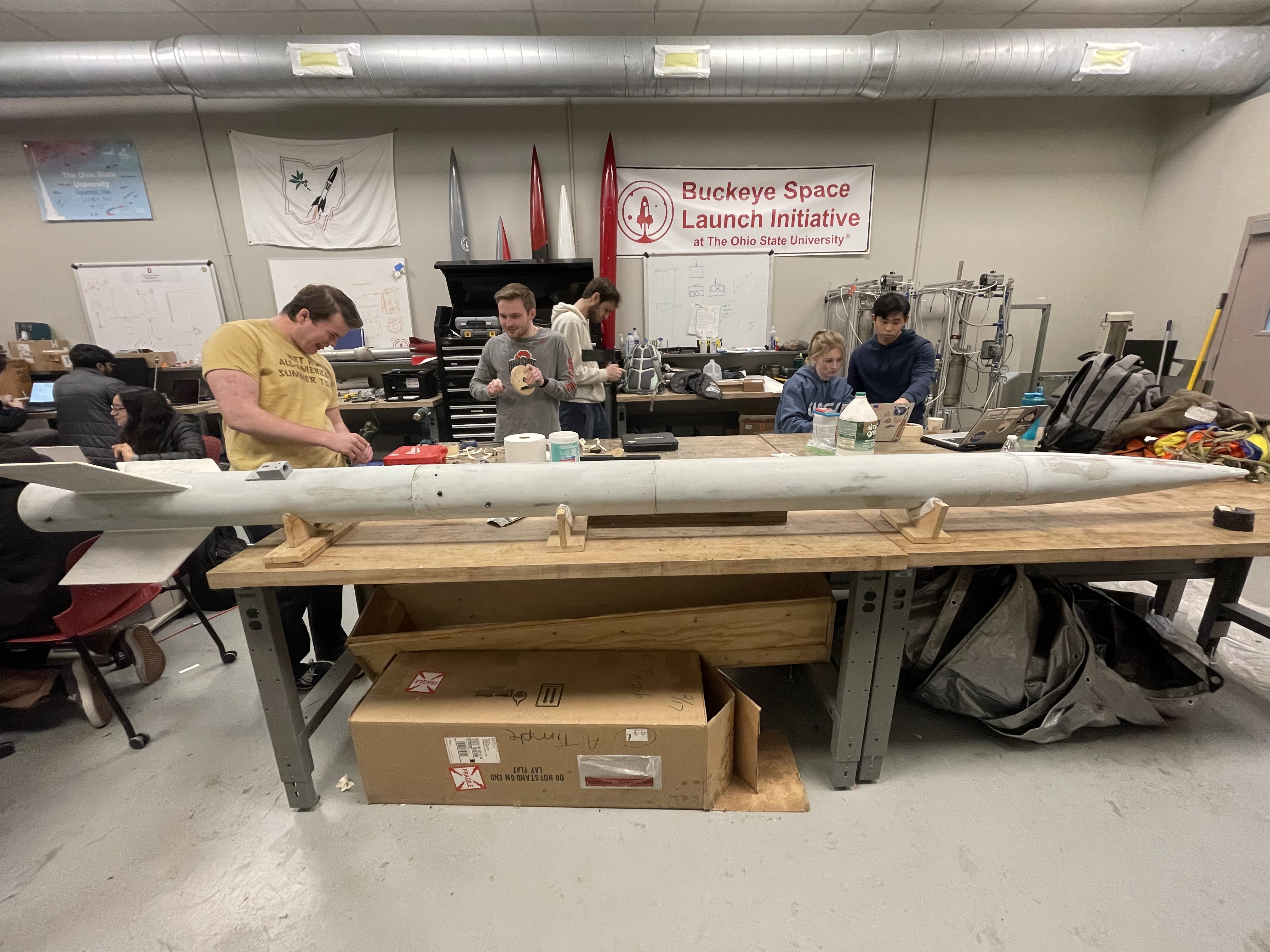
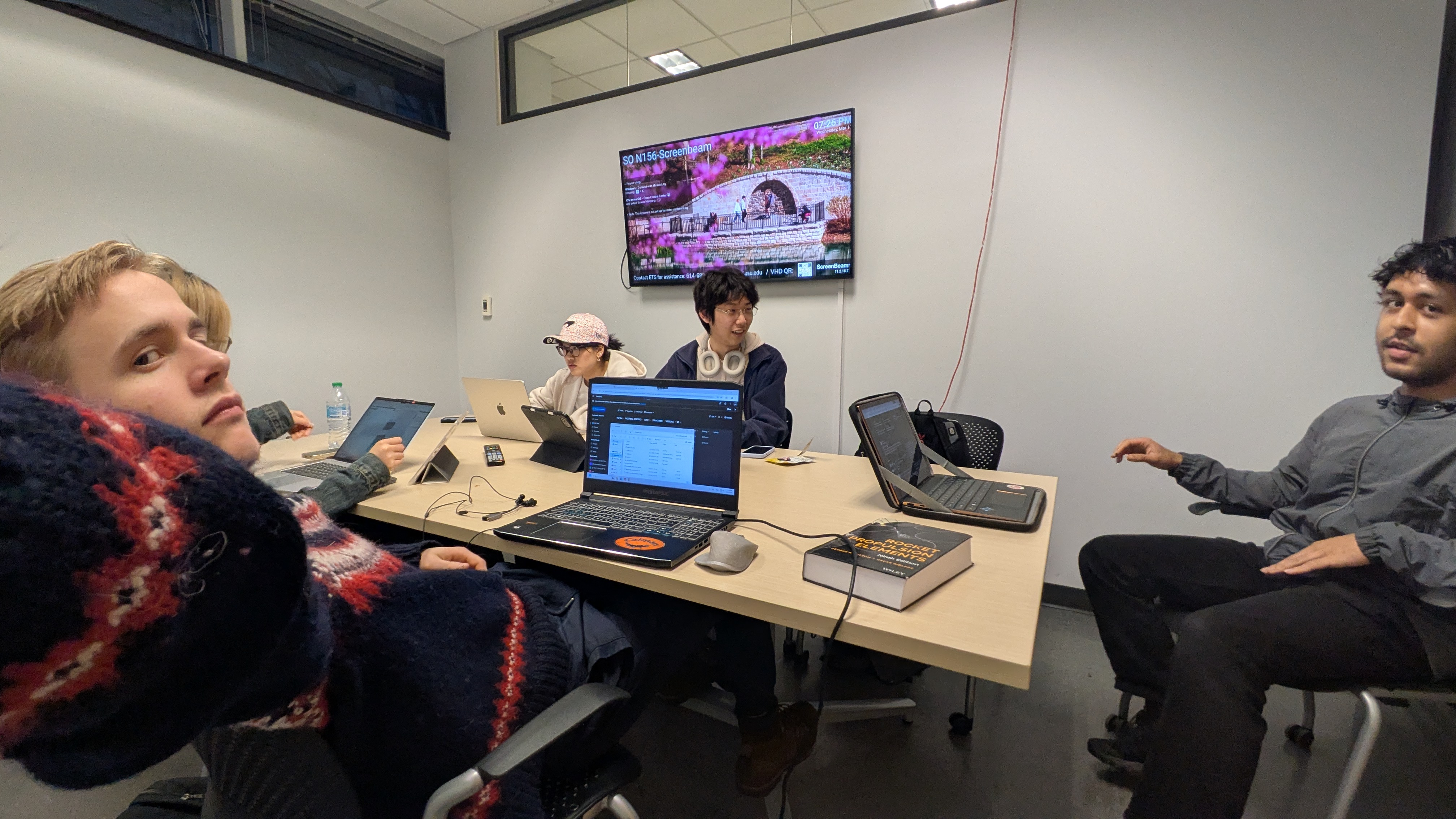
NASA Student Launch Challenge (Buckeye Space Launch Initiative)
Payload Mechanism Designer
-
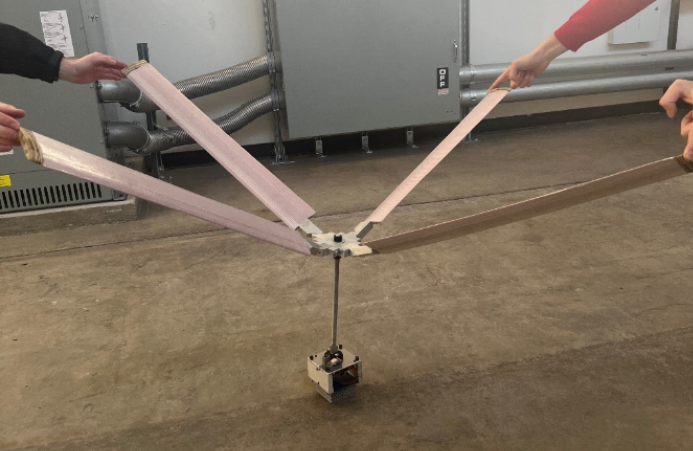
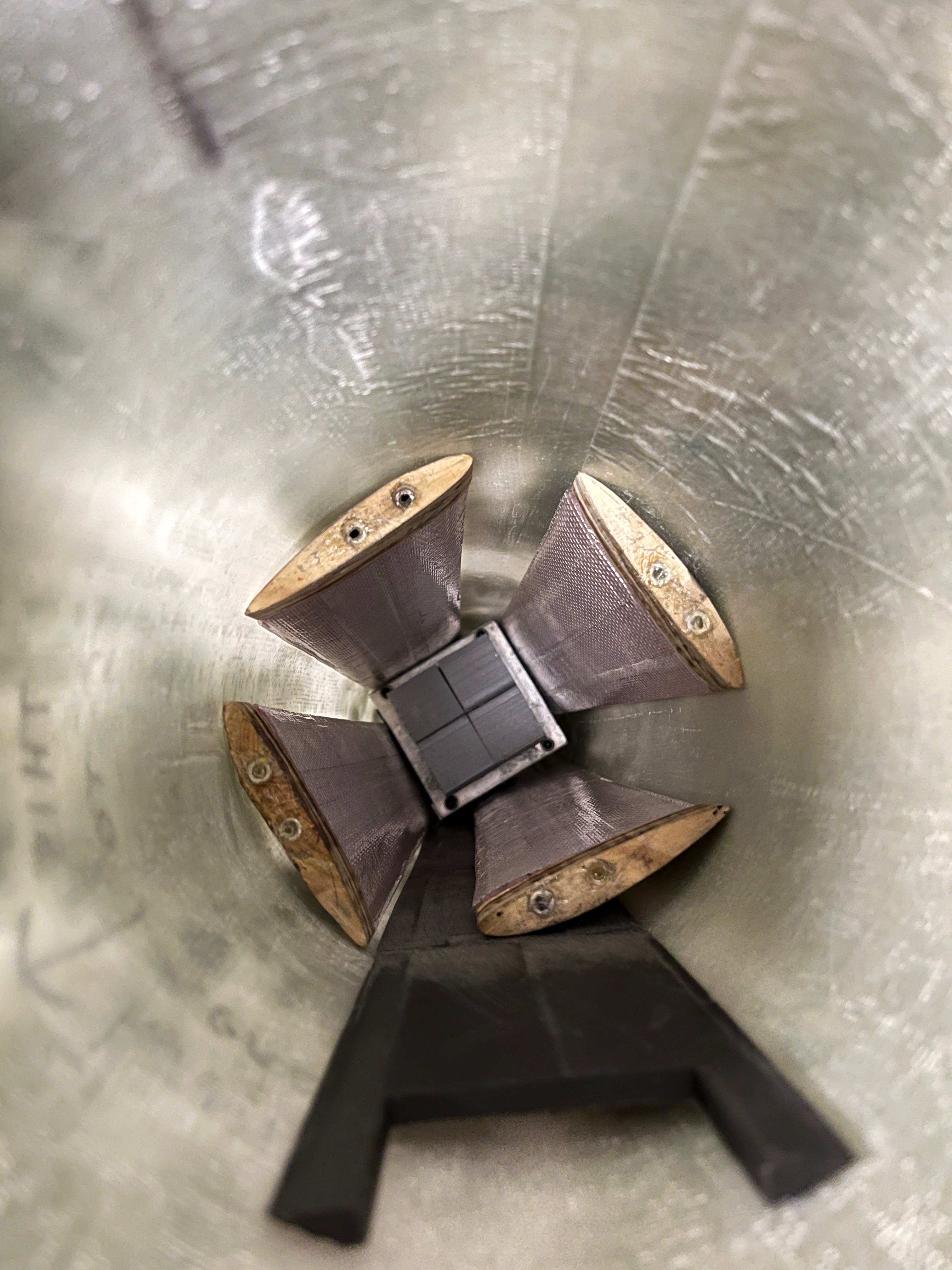
Goal: Engineer a soft-landing payload compartment (max of 4g on impact) launched atop a solid rocket powered carbon fiber rocket for the 2023-24 NASA Student Launch Challenge
-
Contribution: Contributed to construction of carbon fiber frame of rocket. Co-designed the auto-rotating deployment mechanism and performed ANSYS Fluent analysis on landing aerodynamics
-
Outcome: Successful launch of rocket. Landing impact force of 3.5 g; Top-20 national ranking



OSU Liquid Rocket Project (Buckeye Space Launch Initiative)
Propellent Feedline Constructor
-
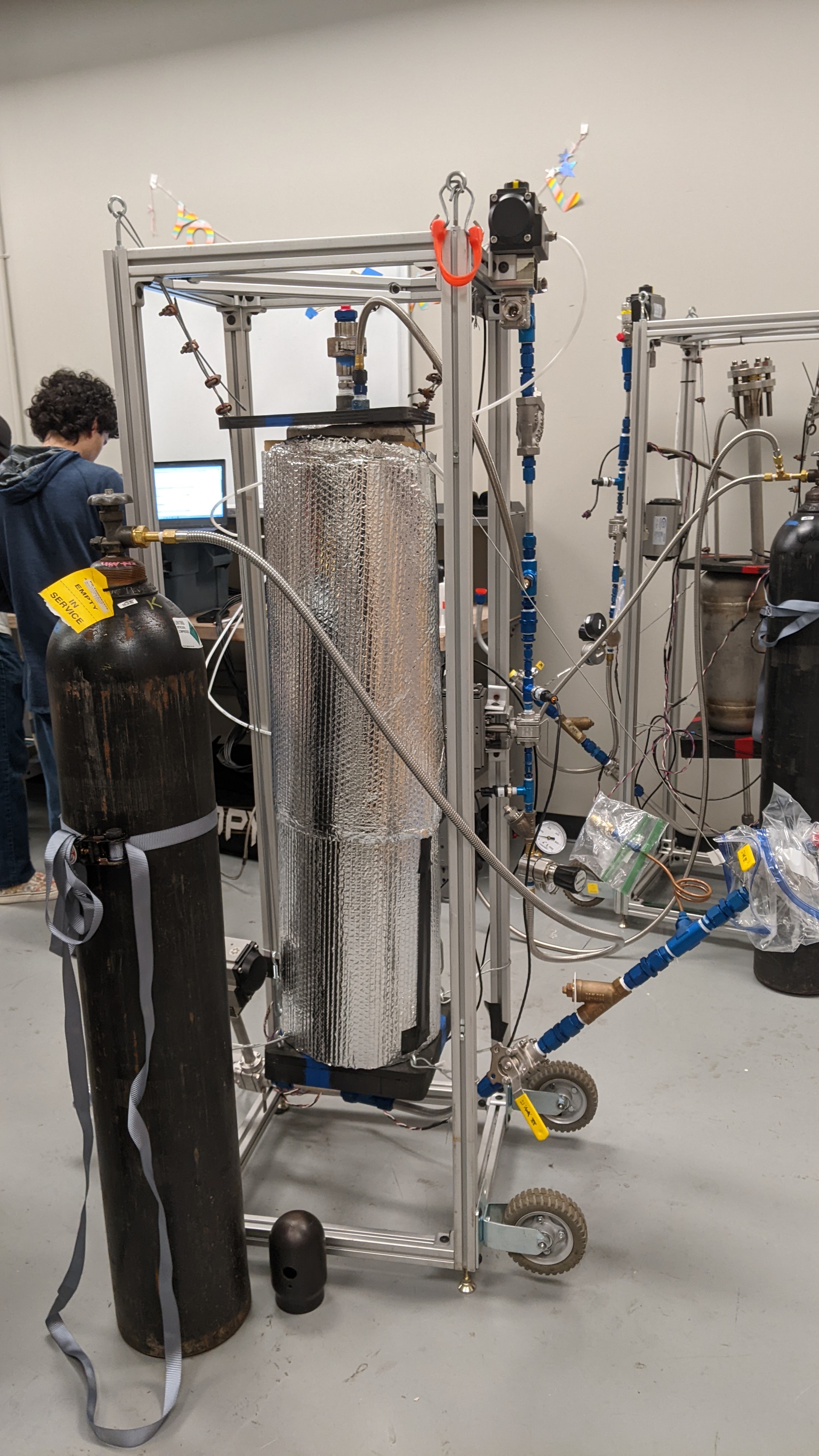
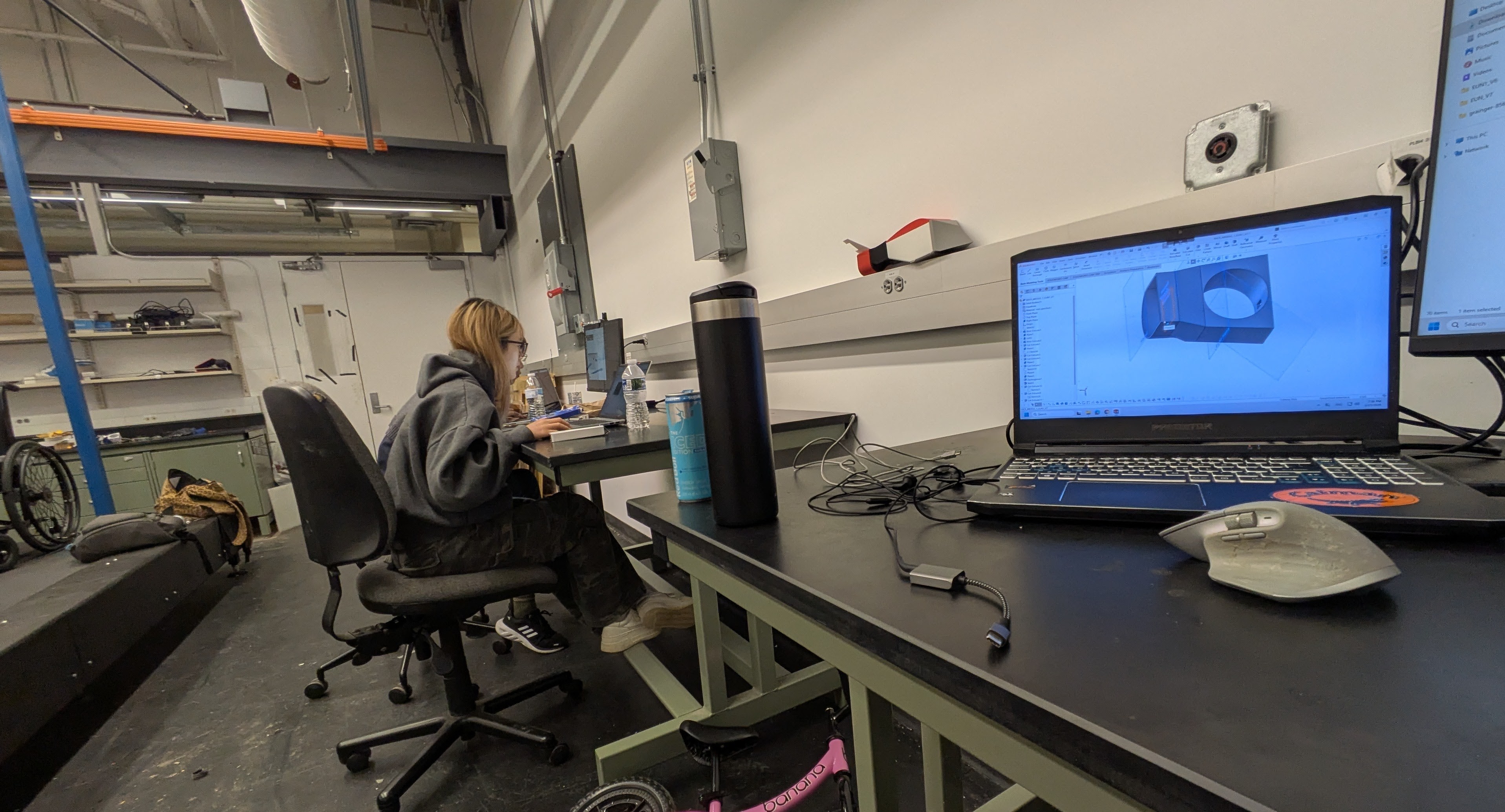
Goal: Simulate and test fire LR-101 engine using custom-made ground support equipment
-
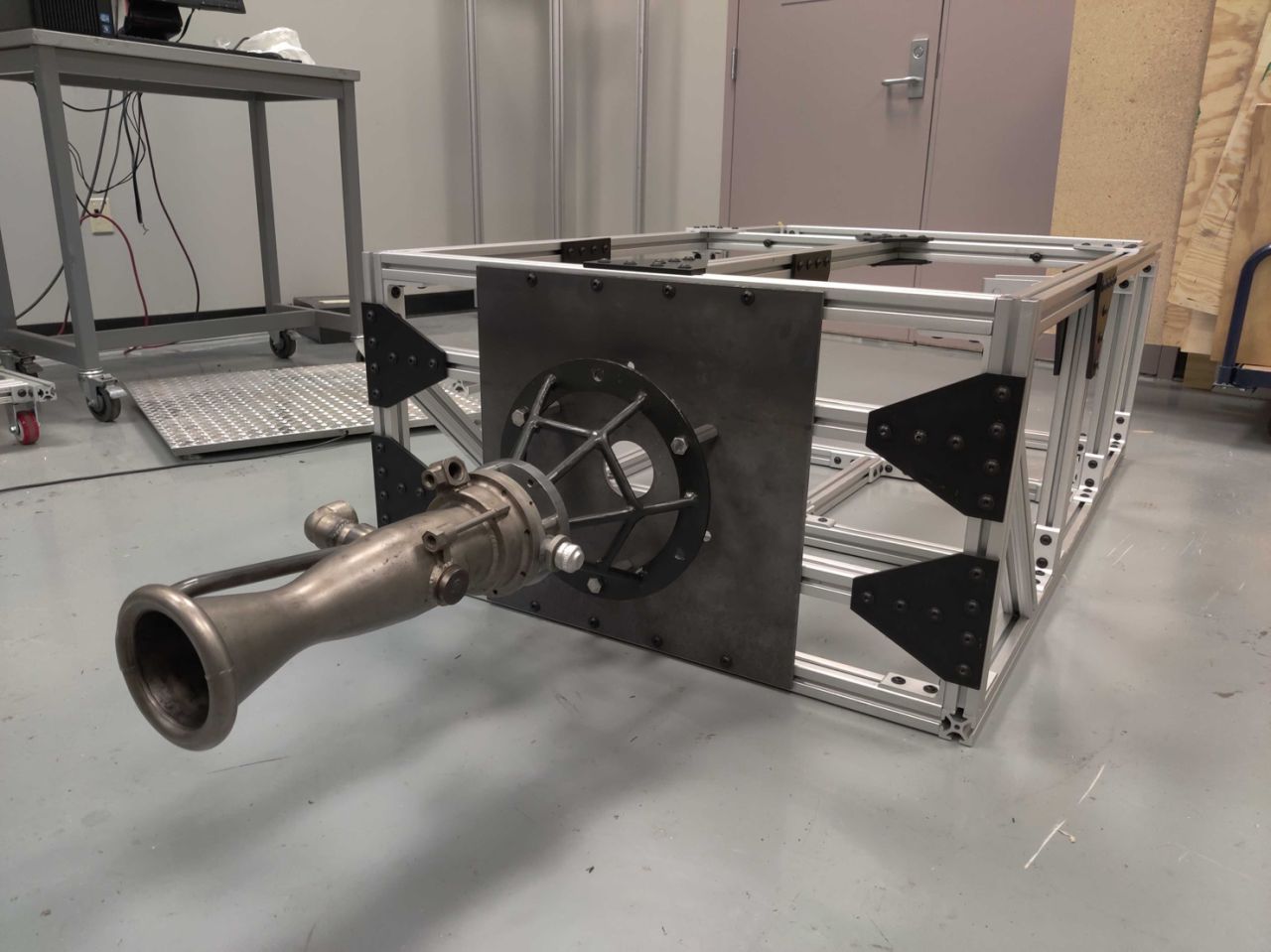
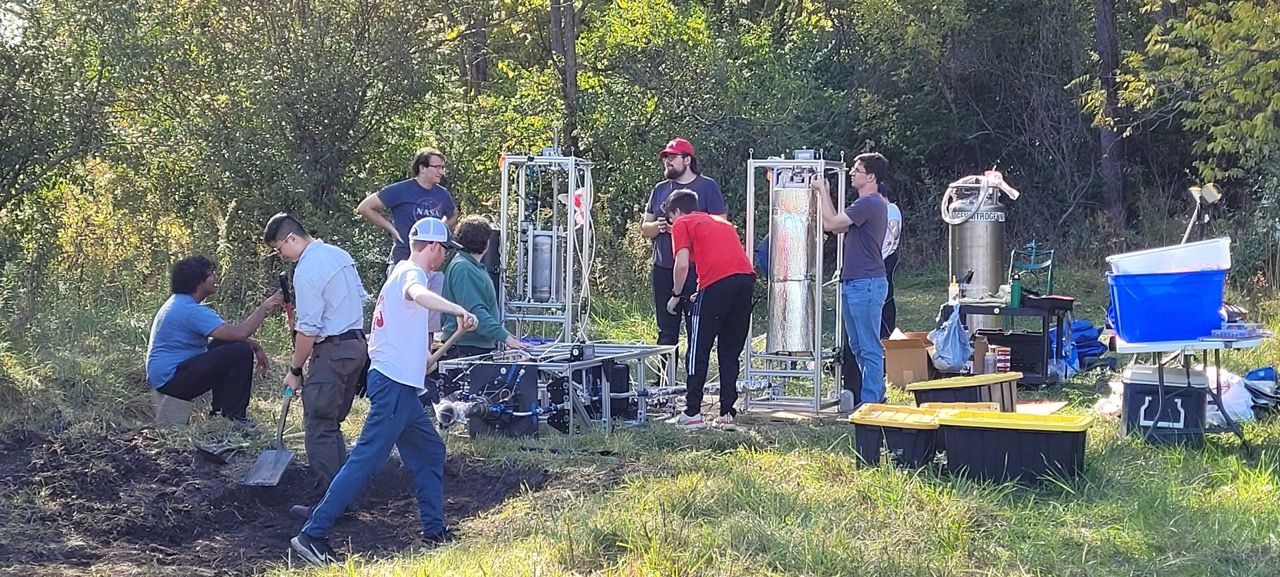
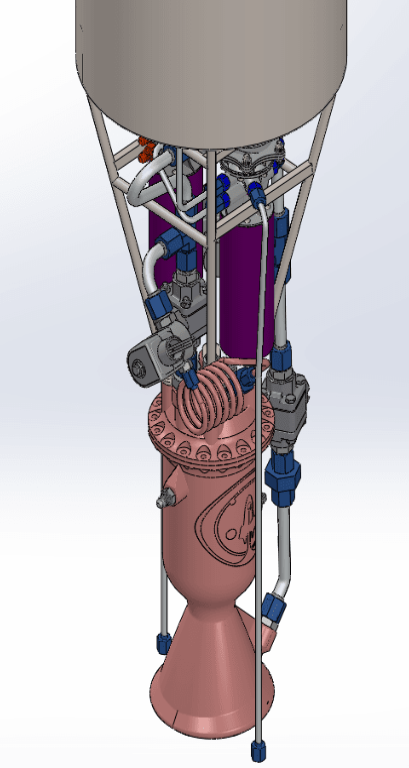
Contribution: Contributed to the simulation of the LR-101 engine geometry in ANSYS Fluent. Co-designed and constructed ground support equipment. Involved constructing and assembling leak-proof piping and valves to connect an insulated liquid oxygen tank and a kerosene tank to the launch mount.
-
Outcome: Successful simulation and test fire of LR-101 engine


Voider Space Robot
Propulsion & Structures Lead
-
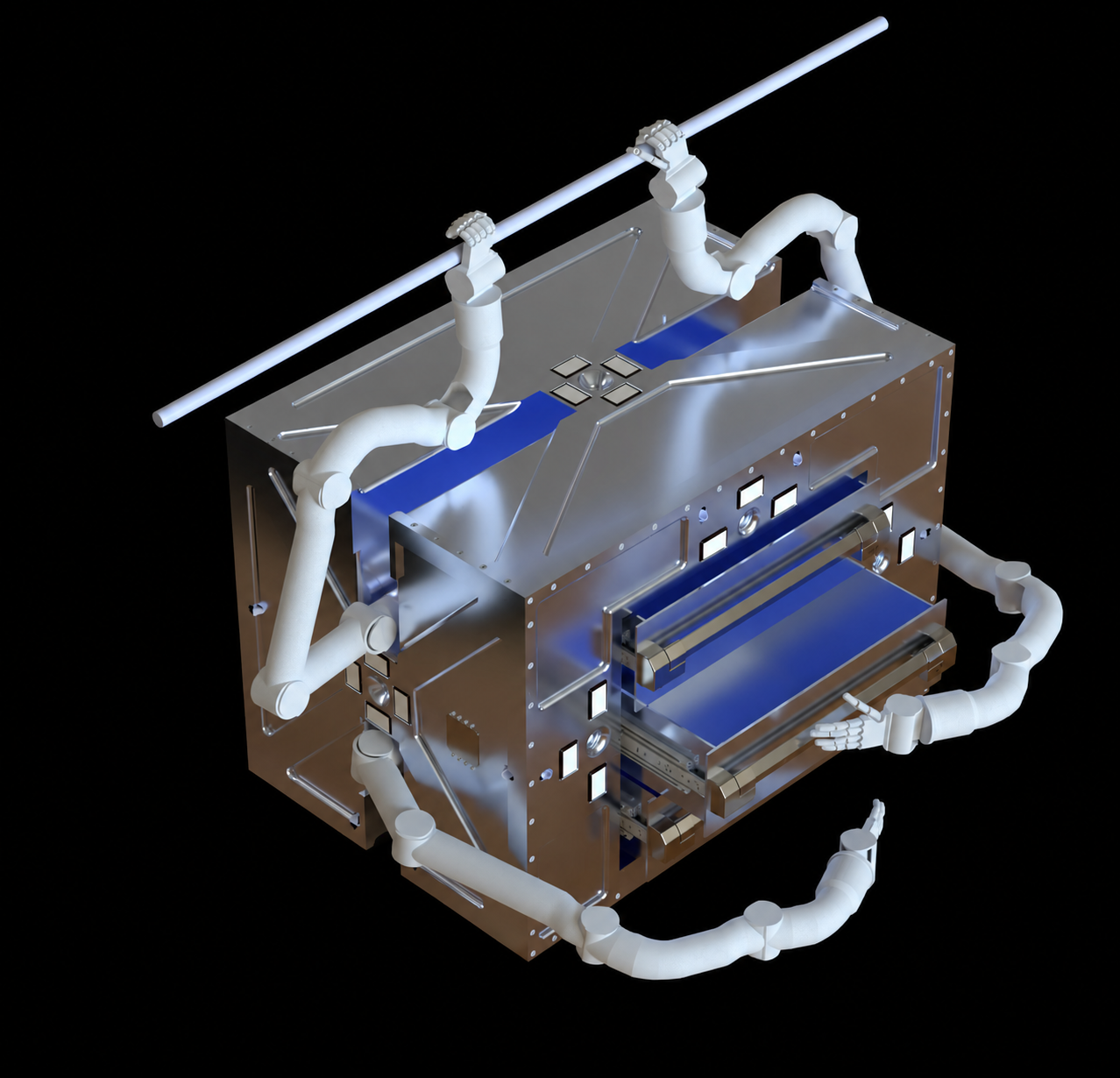
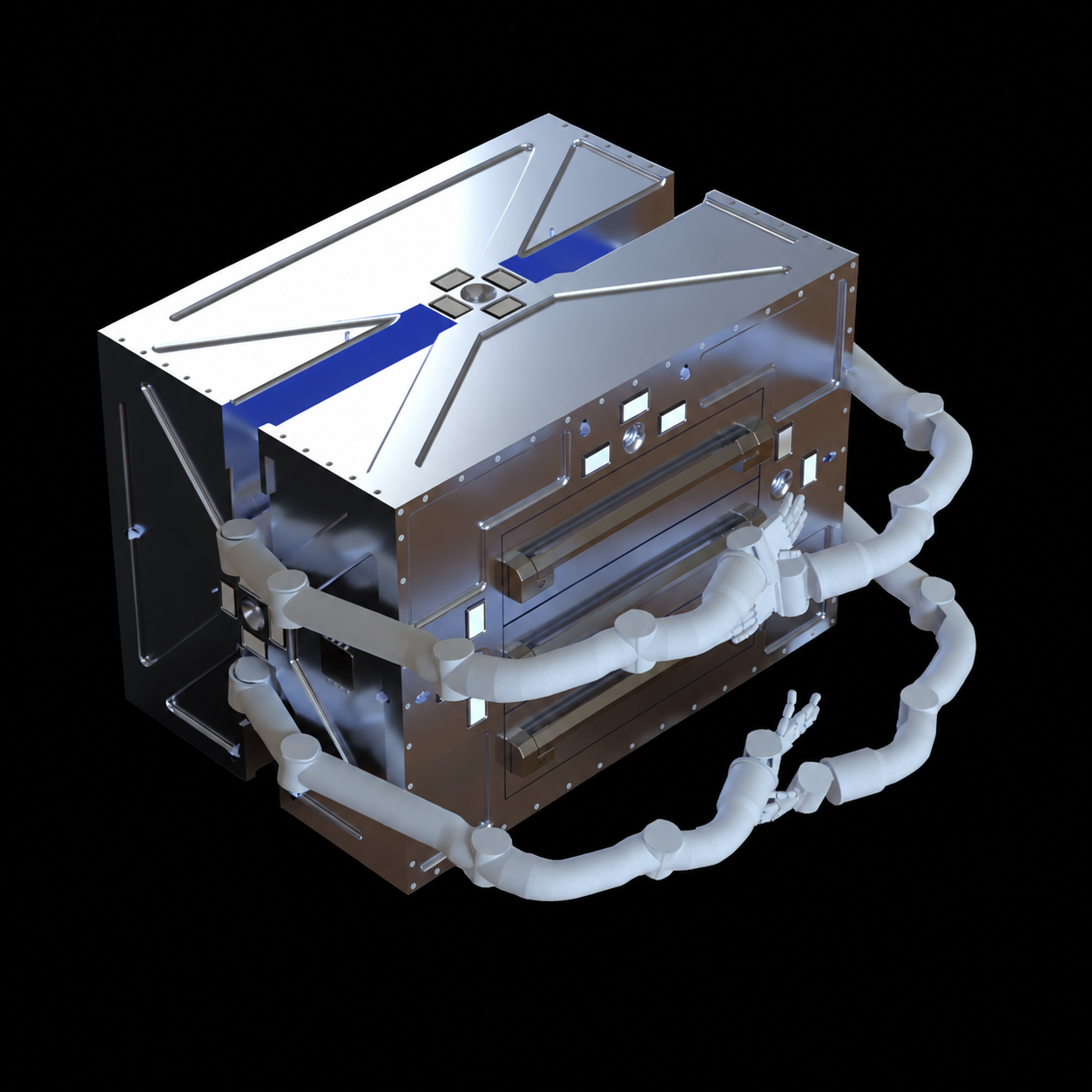
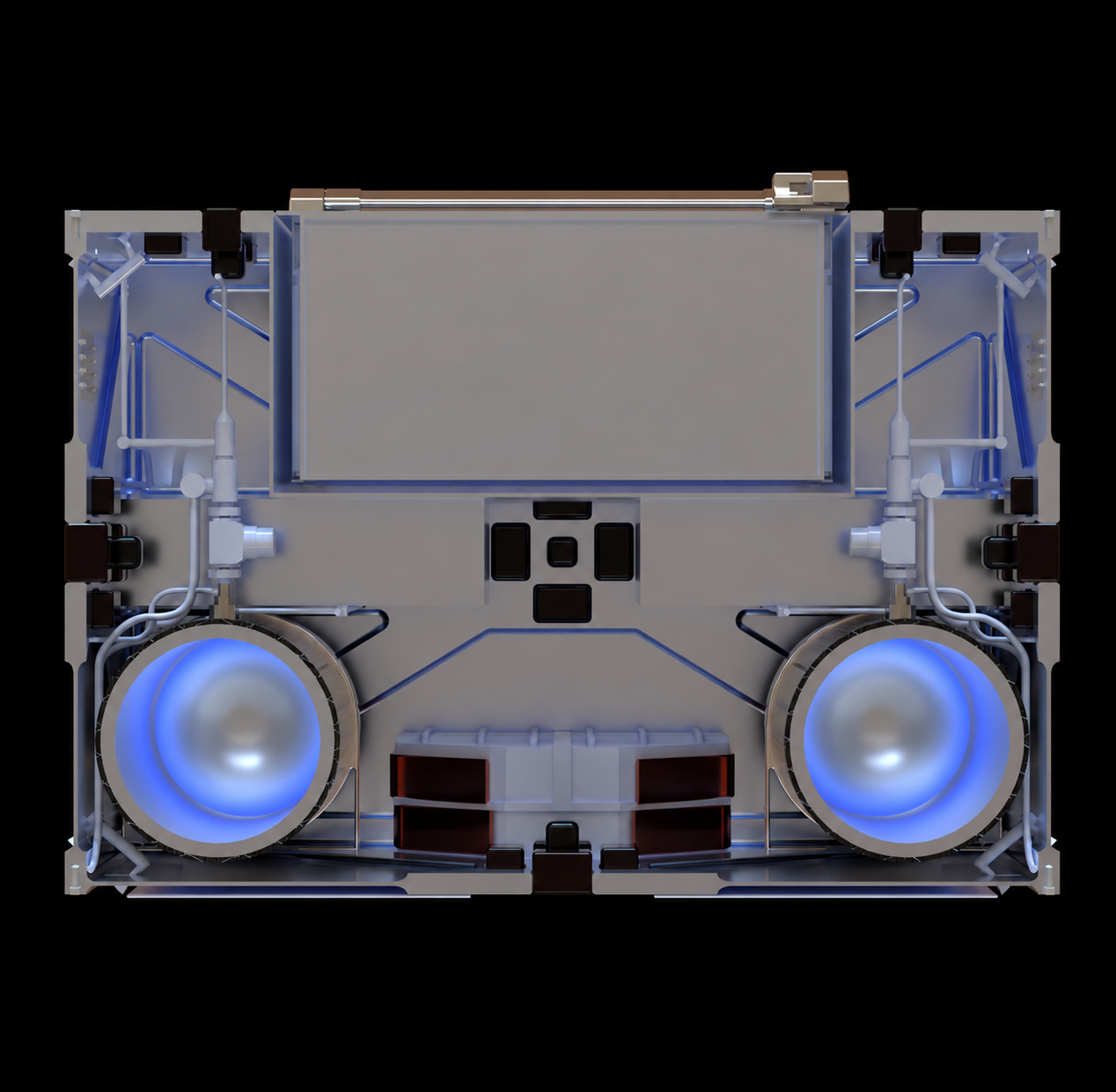
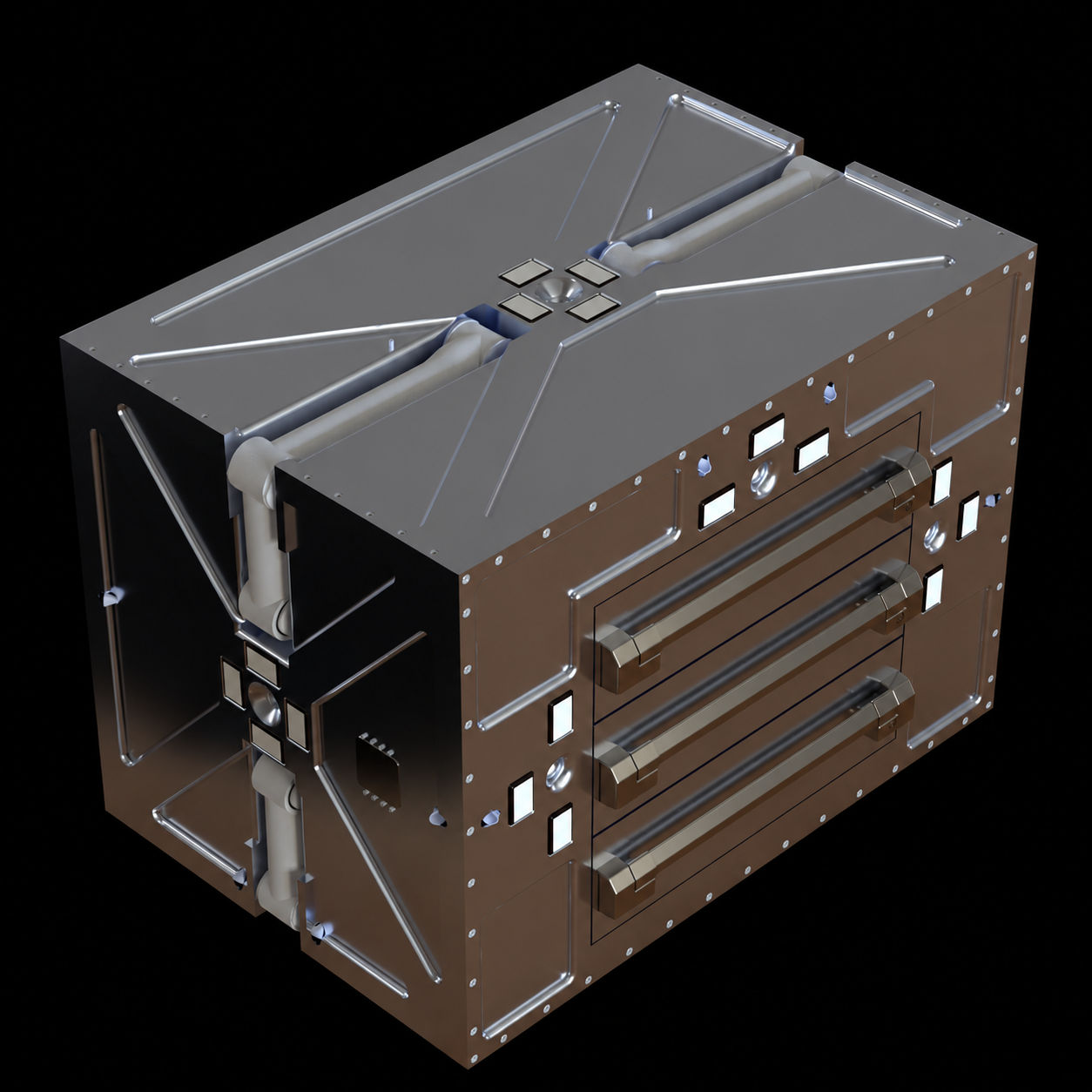
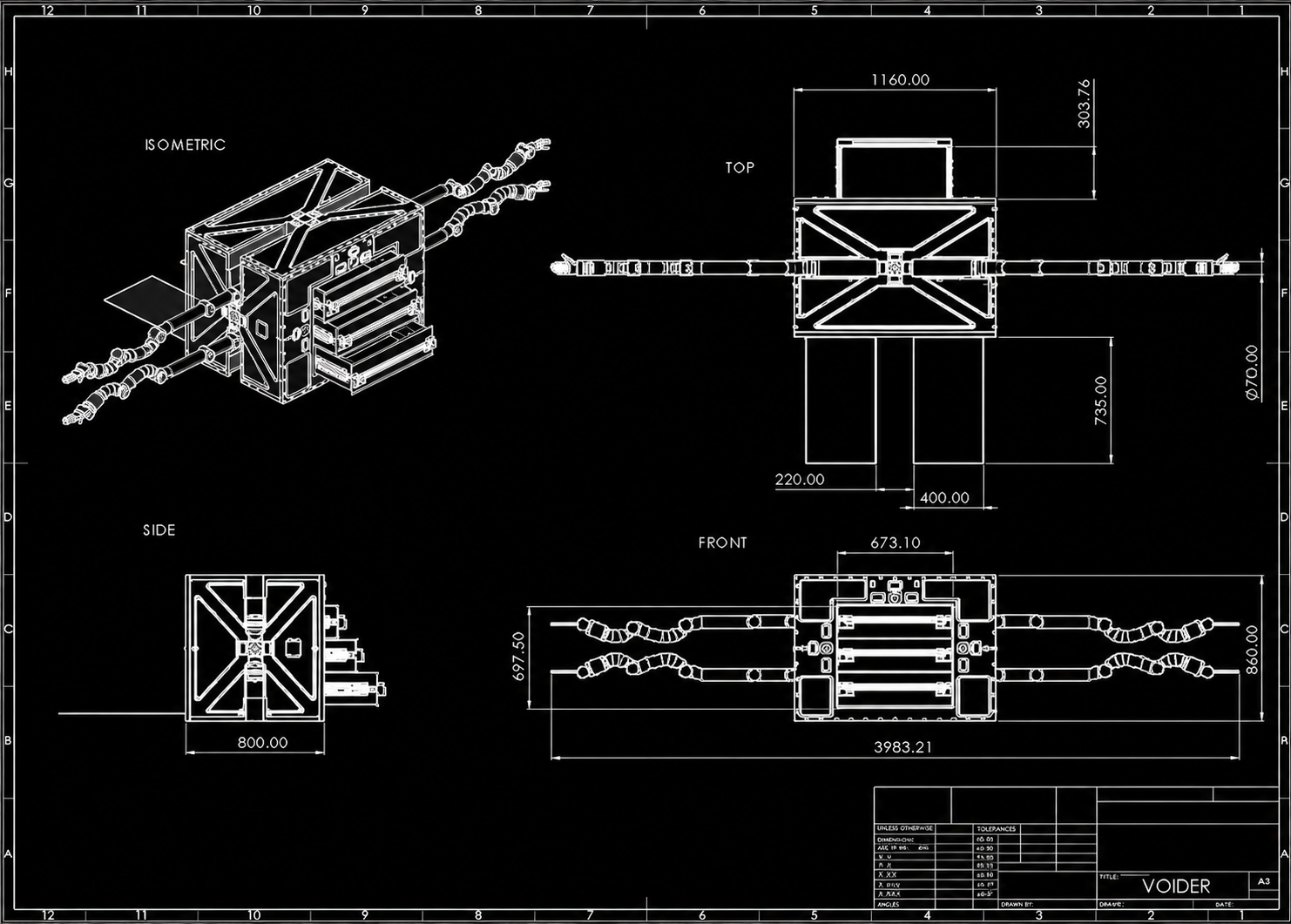
Goal: Design and complete full CDR of propulsive space robot that acts as a tool caddy for astronauts during EVAs as well as a lifeguard during emergency situations
-
Contribution: Designed 6-DOF compressed N2 gas propulsion system consisting of 16 thrusters symmetrically arranged around the robot frame. Validated via delta-V and moment of inertia calculations over time. Designed robot frame and 8 DOF robotic arm structure. Validated using ANSYS structural simulations replicating launch conditions.
-
Outcome: CDR of space robot with all components and costs explained and justified.


.png)


Bike Aerodynamics
Experimental Lead
-
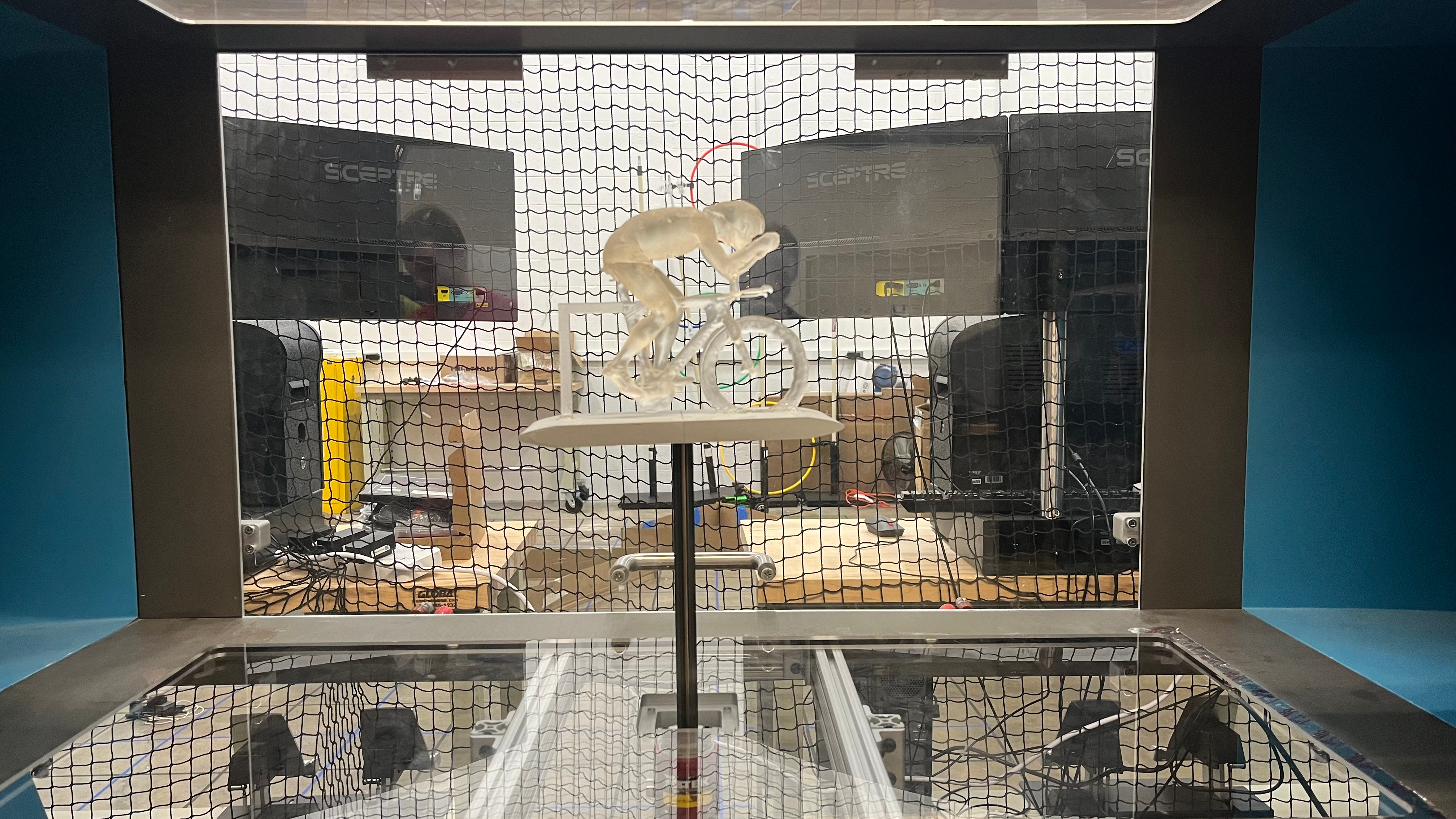
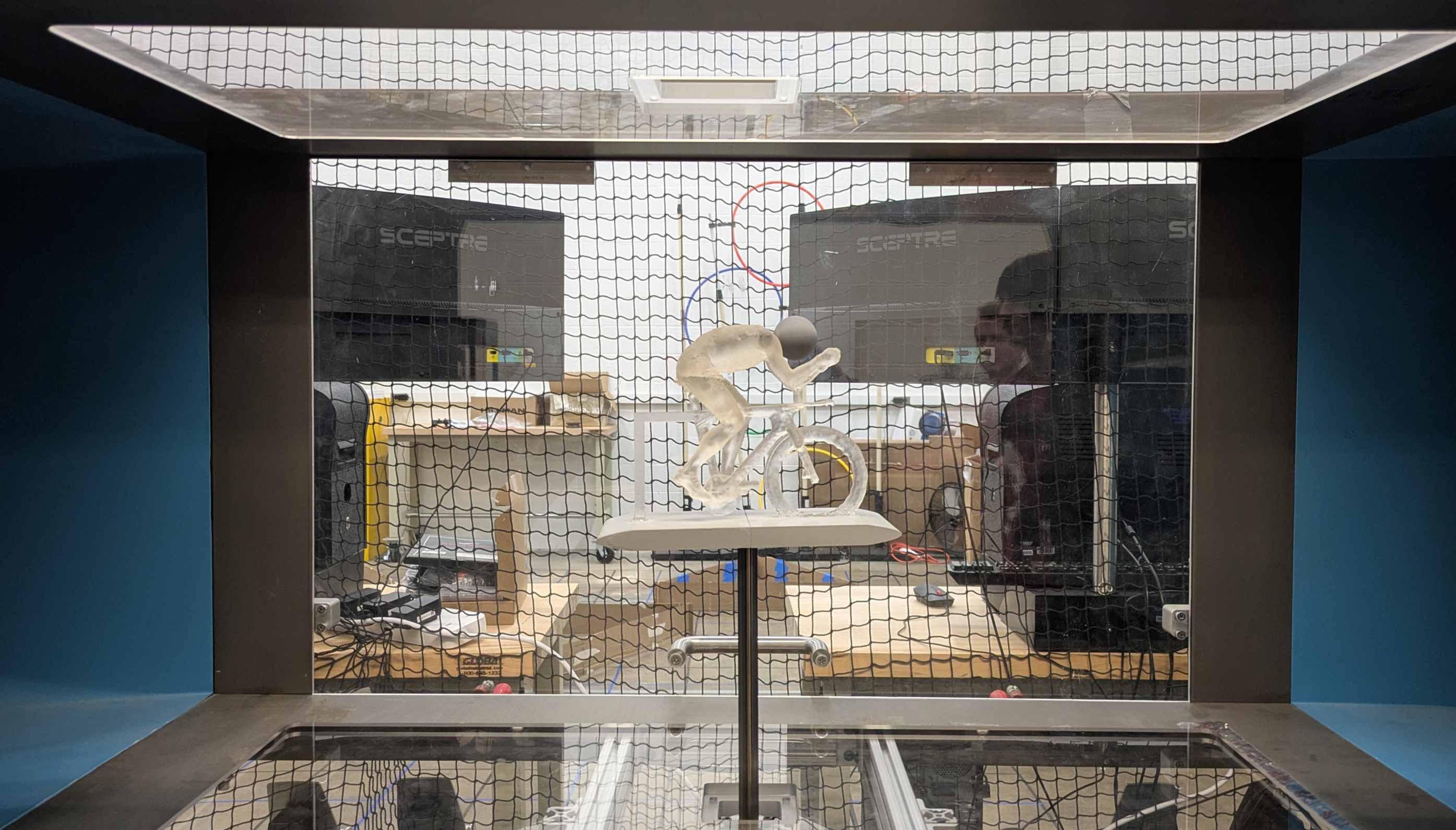
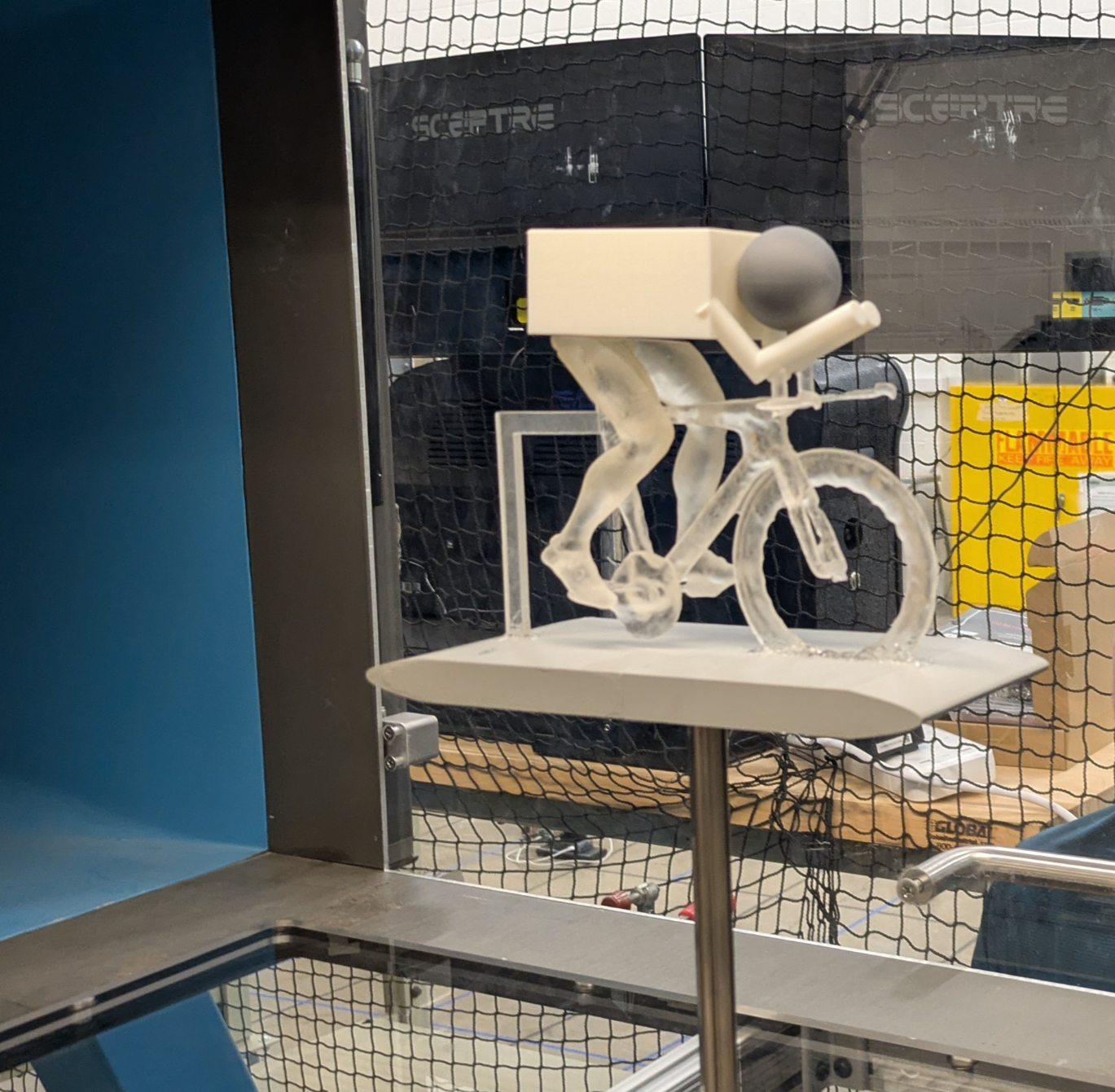
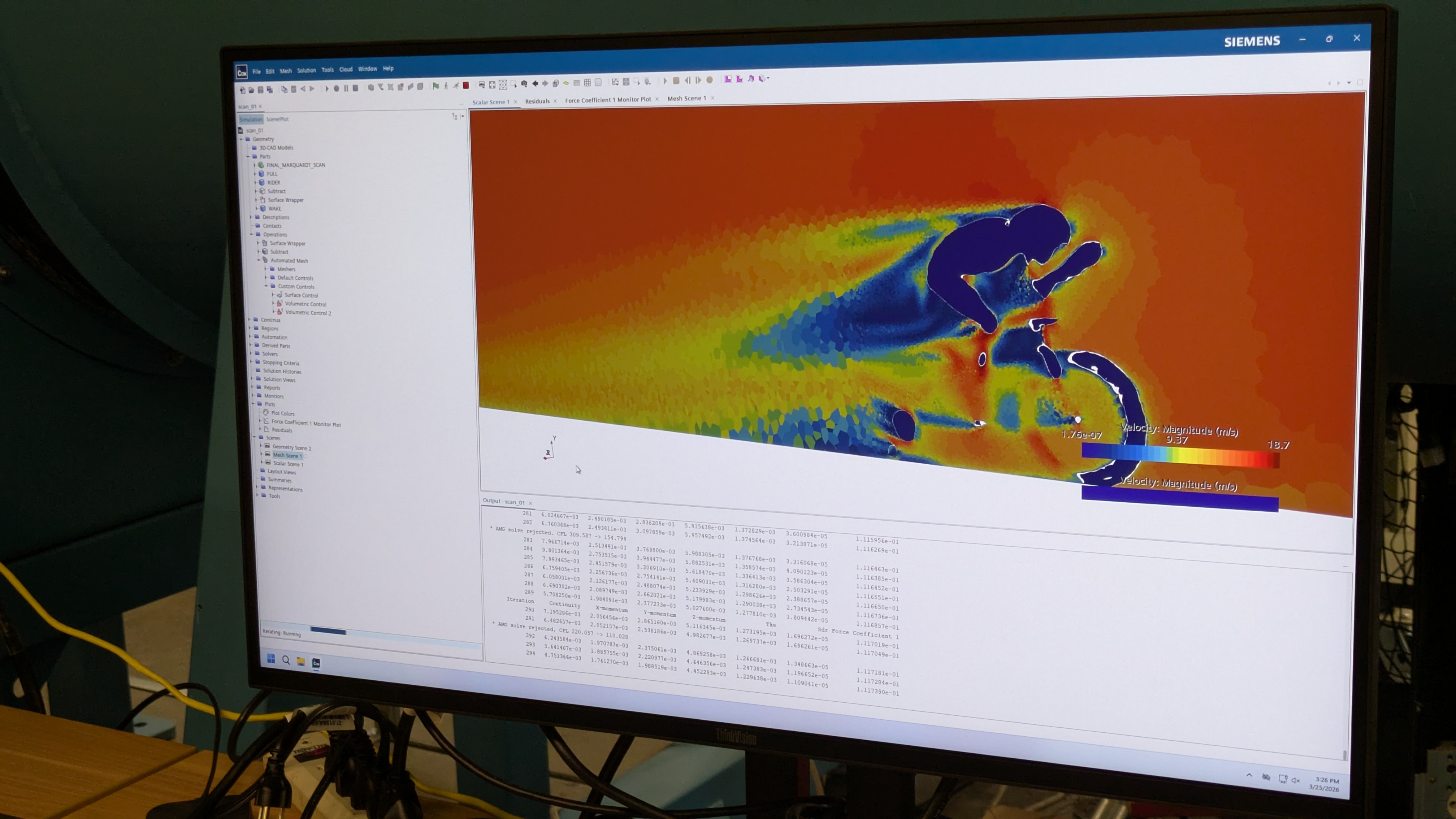
Goal: Evaluate 3D photogrammetry technologies and accuracy of using lower fidelity bike models in evaluating changes in Cd
-
Contribution: Designed and repaired CAD models based on 3D bike scans. 3D printed high and low fidelity models and conducted wind tunnel tests at a range of velocities to collect experimental Cd results.
-
Outcome: Agreement with hypothesis that Cd would change by 2-5% when using low fidelity bike models when compared to the high fidelity model


Razorbill Robotics
Founder & President
-
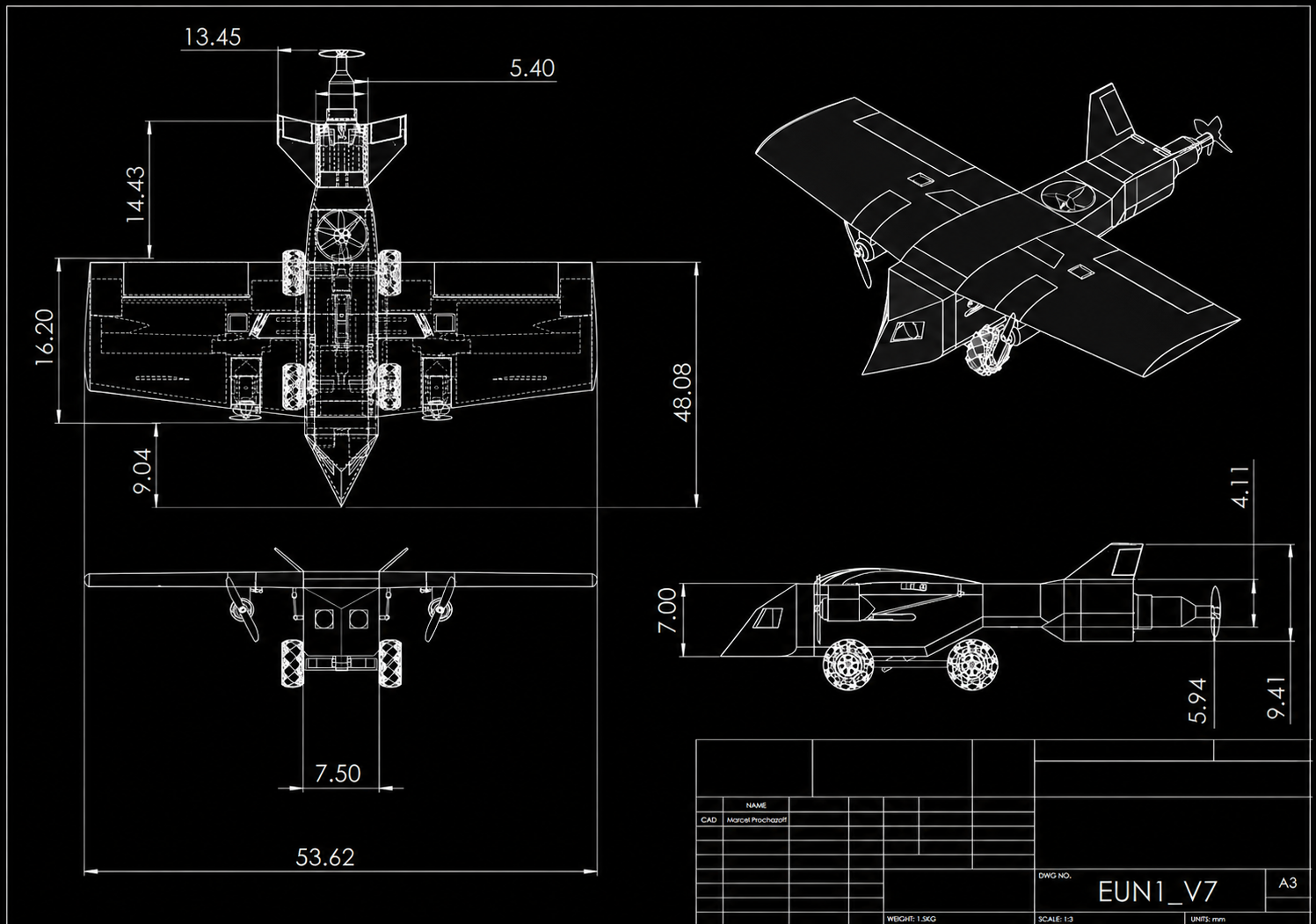
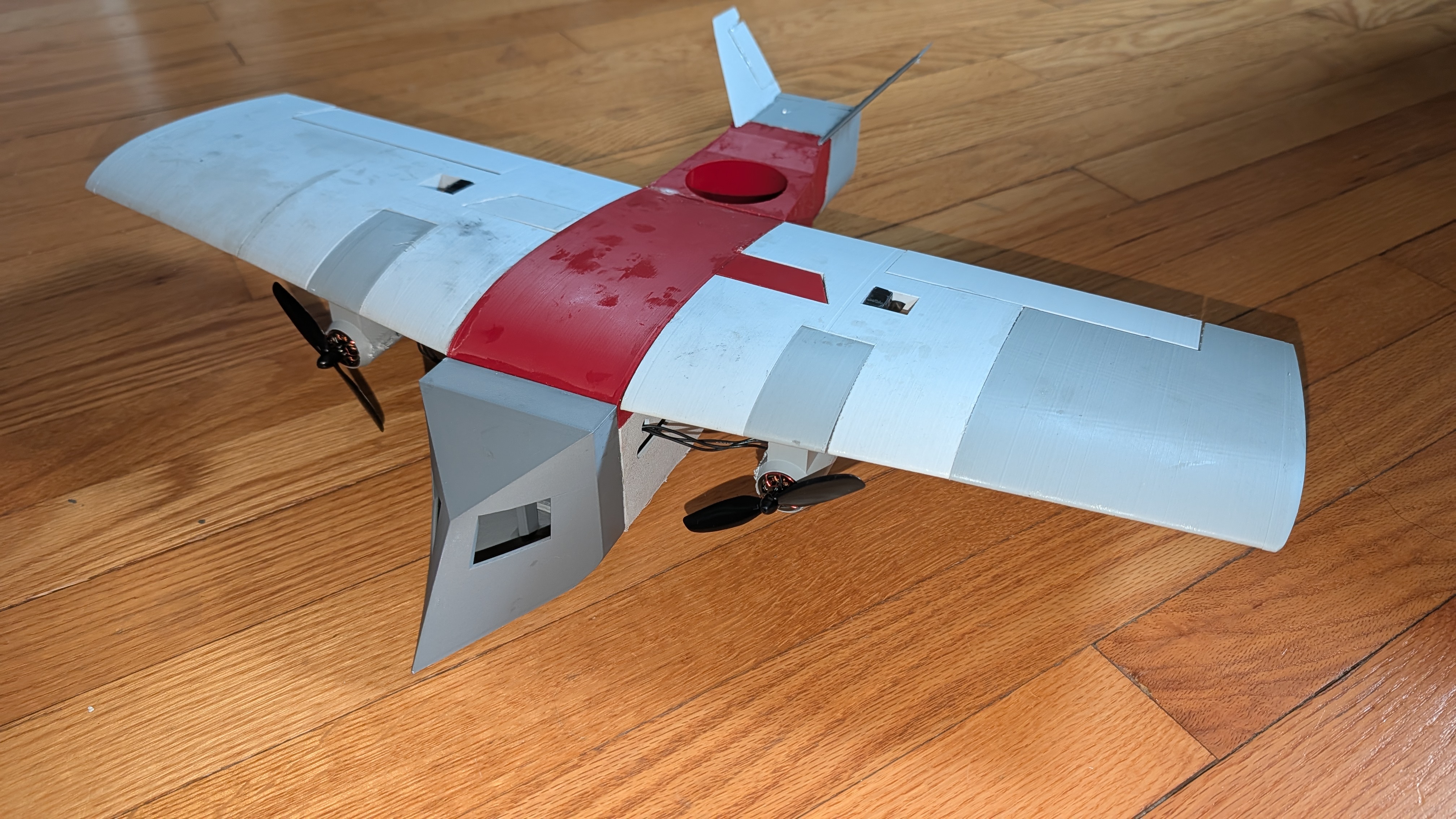
Goal: Design and build a multi-terrain robot that can traverse land, water, and air
-
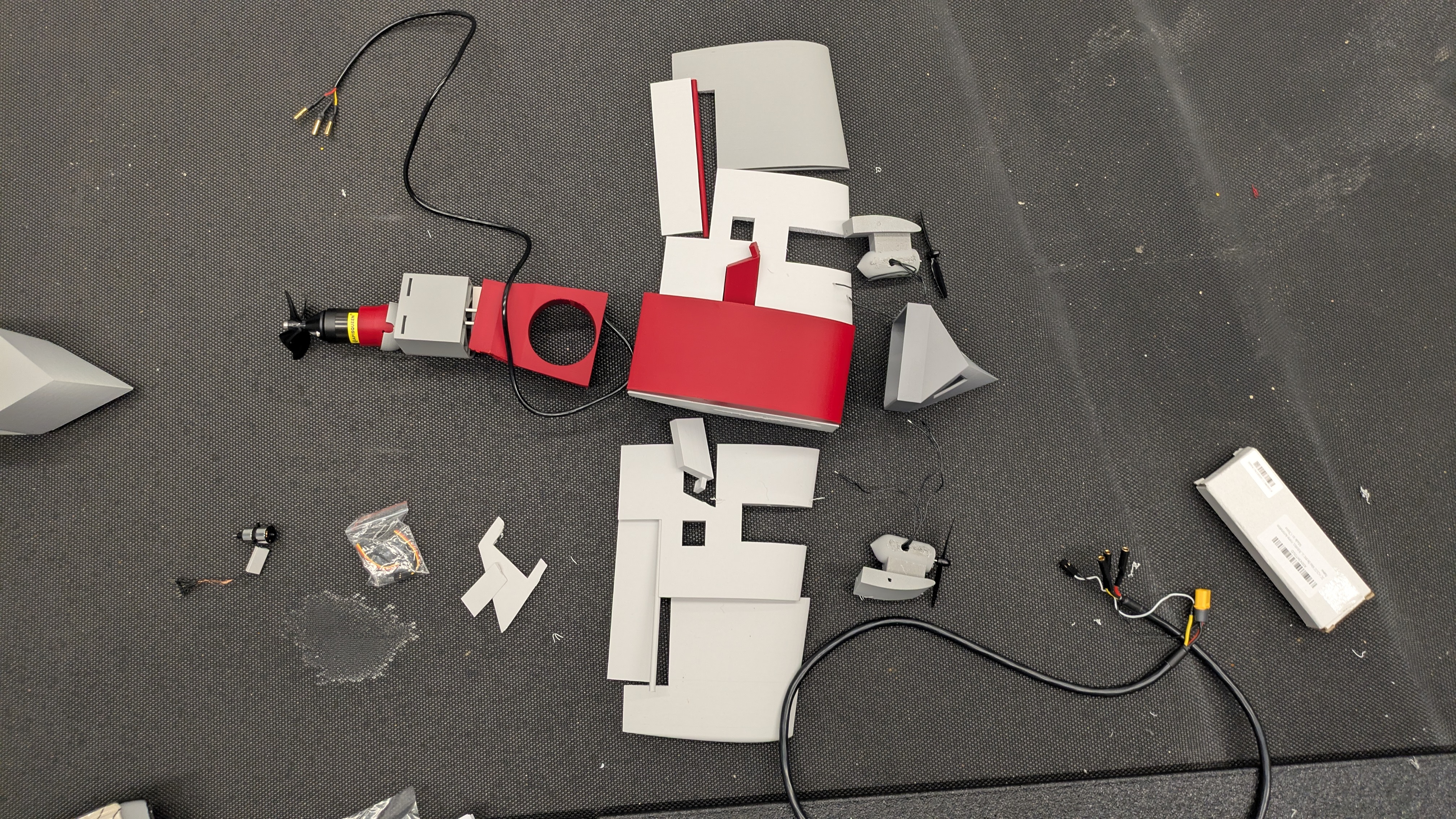
Contribution: Led a 6-engineer team to research and design the best approach to traversing land, water and air. The robot drone is capable of forward flight using a propeller on each wing. For tricopter hovering capability, the robot has two wings that fold alongside the fuselage using a linear actuator and a propeller integrated on the main fuselage. To maneuver through water there is a propeller attached to the back of the robot.
-
Outcome: Designed CAD model and built initial 3D-printed prototype and validated body kinematics computationally.